Weaving Ideas into a Living Note Network

Today we dive into interlinking techniques to build a network of personal notes, turning scattered thoughts into a resilient knowledge web. You will explore practical link patterns, gentle routines, and mindful habits that transform everyday writing into discovery, insight, and creative momentum, so your notes stop sleeping in folders and begin collaborating, evolving, and guiding your next steps with clarity and curiosity.

Foundations for a Connected Note System

Make Ideas Atomic and Link at the Smallest Useful Level

Atomic notes hold one durable idea, framed in your own words, with a clear title that states the claim rather than the category. Small notes invite precise links because you connect statements, not vague containers. This practice reduces duplication, encourages refactoring, and lets a single insight participate in many contexts without copy‑pasting, keeping your network honest, lean, and remarkably discoverable over time.

Use Bidirectional Links and Backlinks to Surface Context

Atomic notes hold one durable idea, framed in your own words, with a clear title that states the claim rather than the category. Small notes invite precise links because you connect statements, not vague containers. This practice reduces duplication, encourages refactoring, and lets a single insight participate in many contexts without copy‑pasting, keeping your network honest, lean, and remarkably discoverable over time.

Balance Tags, Links, and Clear Titles for Navigation

Atomic notes hold one durable idea, framed in your own words, with a clear title that states the claim rather than the category. Small notes invite precise links because you connect statements, not vague containers. This practice reduces duplication, encourages refactoring, and lets a single insight participate in many contexts without copy‑pasting, keeping your network honest, lean, and remarkably discoverable over time.

Practical Formats, Syntax, and Tools

Markdown with Wiki‑Links

Markdown’s readability and [[Wiki‑Link]] syntax make it effortless to turn a phrase into a reference without breaking your writing flow. Keep titles human‑legible, prefer sentence‑style capitalization, and avoid cryptic codes that future you will forget. When needed, add aliases or redirects to handle renames gracefully, preserving continuity across your network and preventing link rot that undermines trust in your system’s memory.

Graph Views and Link Queries as Compasses

Visual graphs and link queries are navigational aids, not the destination. Use them to spot lonely notes lacking context, oversized hubs that need refactoring, and clusters ready for synthesis. Saved queries can highlight orphaned notes, recent additions, or all pages linking to a key concept. Treat these views like compasses that inform your next gardening session, rather than as a vanity metric of complexity.

Portability, Backups, and Future‑Proof Notes

Protect your work with automatic versioned backups, open formats, and minimal proprietary features. Document your conventions in a reference note: link syntax, title patterns, and tag meanings. If tools vanish, you still retain a comprehensible library. Consider periodic exports, checksum verifications, and a simple onboarding guide for your future self, ensuring continuity even after long breaks or platform migrations that could disrupt momentum.

Interlinking Patterns That Spark Insight

A few repeatable patterns can supercharge discovery by giving new notes immediate neighbors. Hubs, indexes, glossaries, and chains each offer different textures of meaning. Rotate among them as your material grows. Patterns should remain lightweight and easy to maintain, encouraging frequent use. If a pattern feels heavy, simplify it until you can apply it in under a minute during normal writing.

Maps of Content as Calm Hubs

A Map of Content acts like a calm front porch, introducing important subtopics, definitions, and curated entry points. Unlike big index pages, a Map of Content privileges clarity over completeness. Keep short annotations beside links explaining why each connection matters. Revisit periodically to prune stale items, add missing bridges, and highlight summaries so newcomers and future you can enter confidently without overwhelm.

Indexes, Glossaries, and Concept Ladders

An index lists pivotal notes alphabetically or by concept families, while a glossary anchors definitions you actually use. Concept ladders organize notes from simple to advanced, guiding learning paths. These structures reduce repeated explanations and accelerate synthesis. As you write, link claims to definitions, then connect definitions to worked examples, ensuring arguments rest on shared language rather than ambiguous shorthand or hidden assumptions.

Capture First, Connect Later with Gentle Prompts
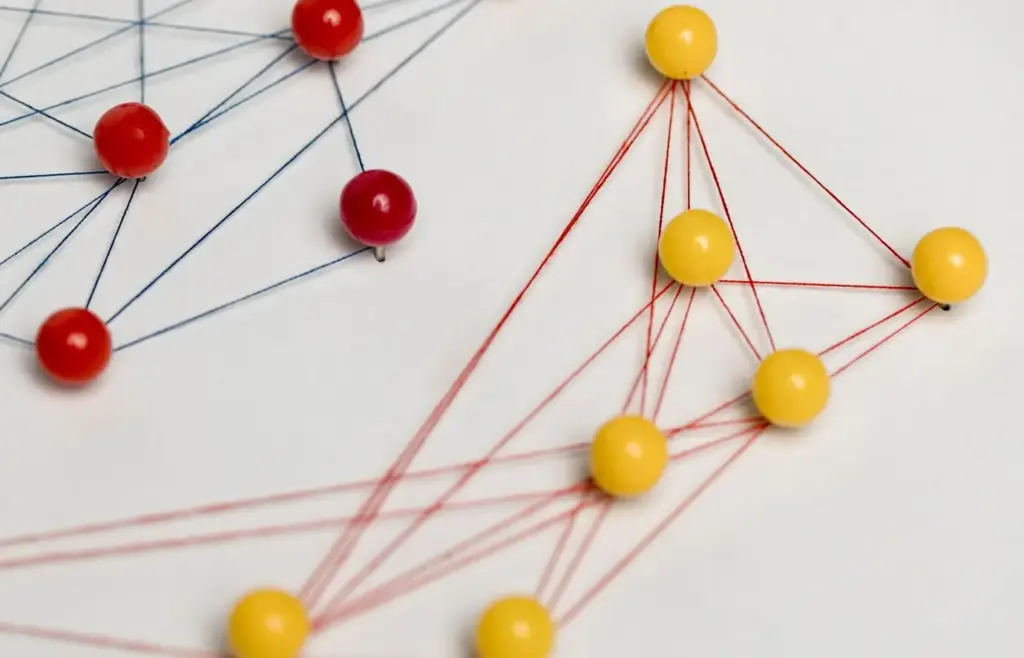
Write quickly when inspiration strikes, using short prompts like “Why does this matter?” and “What does this connect to?” Add one obvious link before closing the note to ensure it is not orphaned. Return later with a calmer mind to improve titles, extract claims, and add breadcrumbs. This two‑stage approach preserves spontaneity while guaranteeing each note finds at least a small neighborhood.

Garden Sessions: Prune, Split, Merge, and Annotate

Schedule brief weekly gardening sessions to maintain coherence. Prune redundant notes, split oversized pages into clear claims, and merge duplicates into a single canonical version with redirects. Add short annotations near critical links explaining why the connection exists. This ongoing care prevents entropy, keeps hubs honest, and turns your knowledge base into an ever‑fresh place where new writing naturally belongs.

Cognitive Principles Behind Linked Notes

Interlinking mirrors how memory works: associations, cues, and context drive recall. Well‑named notes serve as hooks, while backlinks assemble a retrieval environment. Designing for spaced encounters—periodic resurfacing through reviews and queries—deepens understanding. Externalizing structure reduces mental strain, letting you think about meaning rather than bookkeeping. In practice, a linked system becomes scaffolding for insight, argumentation, and trustworthy long‑term learning.

Associative Cues and Retrieval Paths

Every link acts as a cue, and clusters of cues become reliable retrieval paths. When you connect ideas across examples, definitions, and objections, you create multiple access routes. Later, almost any related term can reopen the entire argument. This redundancy is powerful but should remain purposeful. Curate links that explain relationships clearly, resisting the urge to connect everything to everything merely for density.

Designing for Serendipity and Productive Surprise
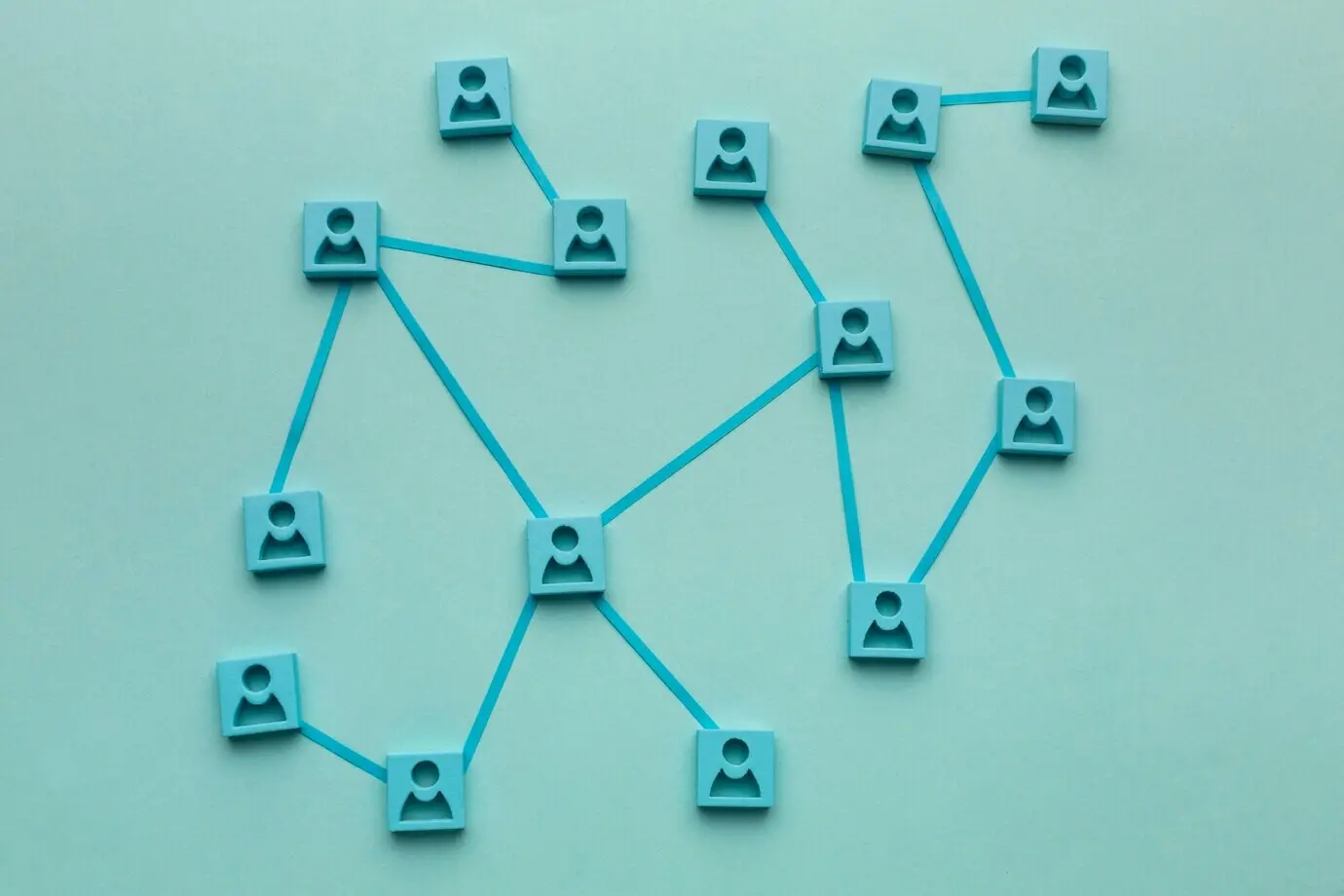
Serendipity thrives where weak ties meet curiosity. Use queries to resurface forgotten notes and show recently edited items alongside relevant hubs. Add a “Near Misses” section to Maps of Content listing adjacent but unresolved questions. These intentional invitations to chance produce creative collisions that inspire synthesis, leading to new essays, projects, or decisions grounded in a wider, more nuanced perspective than linear note lists offer.

A Commuter Note Becomes a Seed

On a crowded train, a single sentence captured a nagging question. That evening, it gained one relevant link and a clearer title. Days later, backlinks revealed five related claims and a counterpoint I had forgotten. The tiny seed attracted careful annotations, anchoring a cluster that grew with little effort, demonstrating how minimal early effort can catalyze months of frictionless development and eventual clarity.

Surprising Links Turn Curiosity into a Plan

While reviewing backlinks, I noticed a pattern between design principles and research habits. Creating a short hub, I explained the relationship and pointed to missing definitions. Within a week, new notes filled the gaps, and a draft outline appeared almost by itself. The network had negotiated a plan, letting me focus on writing arguments rather than searching for scattered references and lost context.

Publishing the Result and Closing the Loop

When the article shipped, I linked it back to the originating notes and summarized key takeaways on the hub. This closed the loop, preserving the path from question to publication. Future readers—and my future self—can replay that path, adapt the reasoning, and extend it. The system remembers not only conclusions but how we arrived, supporting continual improvement and honest, traceable thinking.

Participate, Share, and Keep the Conversation Alive

Your experiences make this exploration richer. Share screenshots of Maps of Content, describe a linking pattern that genuinely helped, or ask a question where your network feels stuck. I will gather highlights, propose lightweight experiments for the week ahead, and feature community wins. Subscribe for prompts, occasional deep dives, and live walkthroughs where we build links together, gently and intentionally.
Rakexefelutupukemetememi
Privacy Overview

This website uses cookies so that we can provide you with the best user experience possible. Cookie information is stored in your browser and performs functions such as recognising you when you return to our website and helping our team to understand which sections of the website you find most interesting and useful.