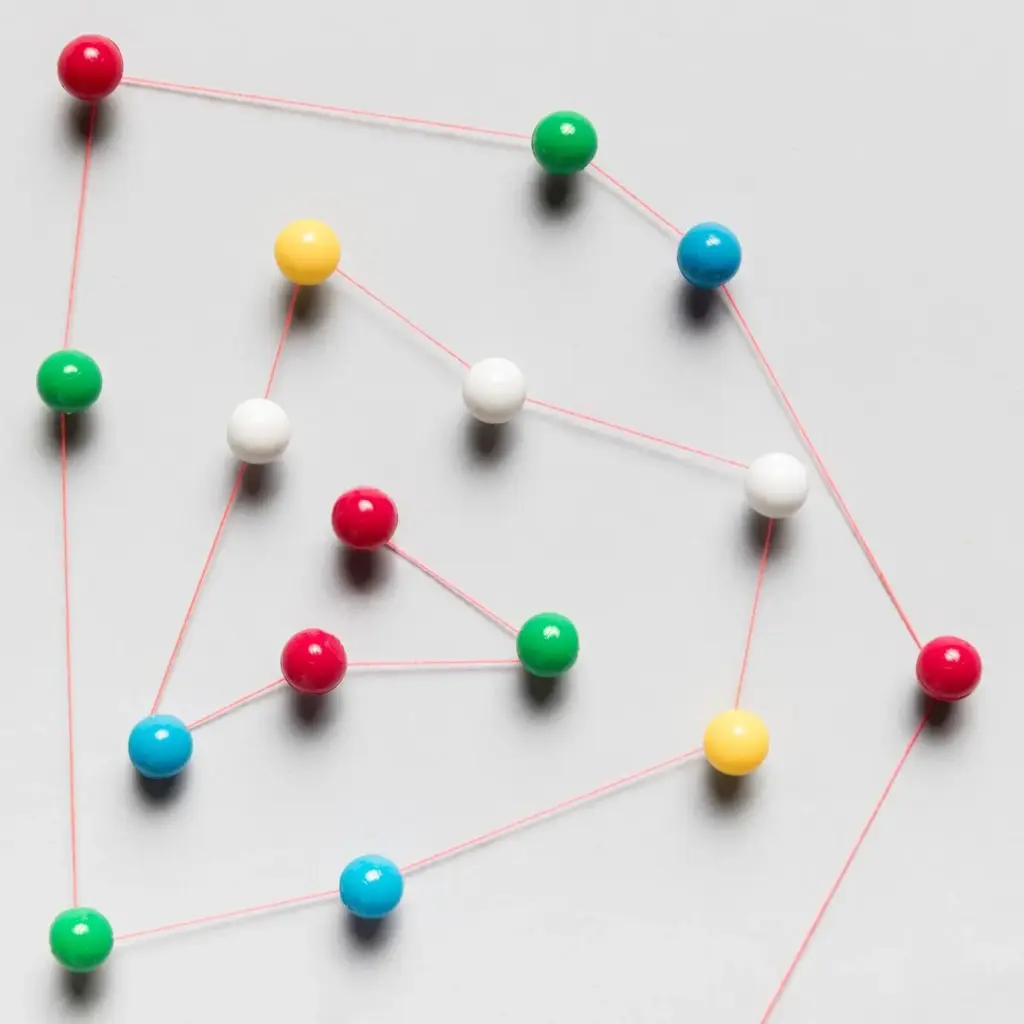
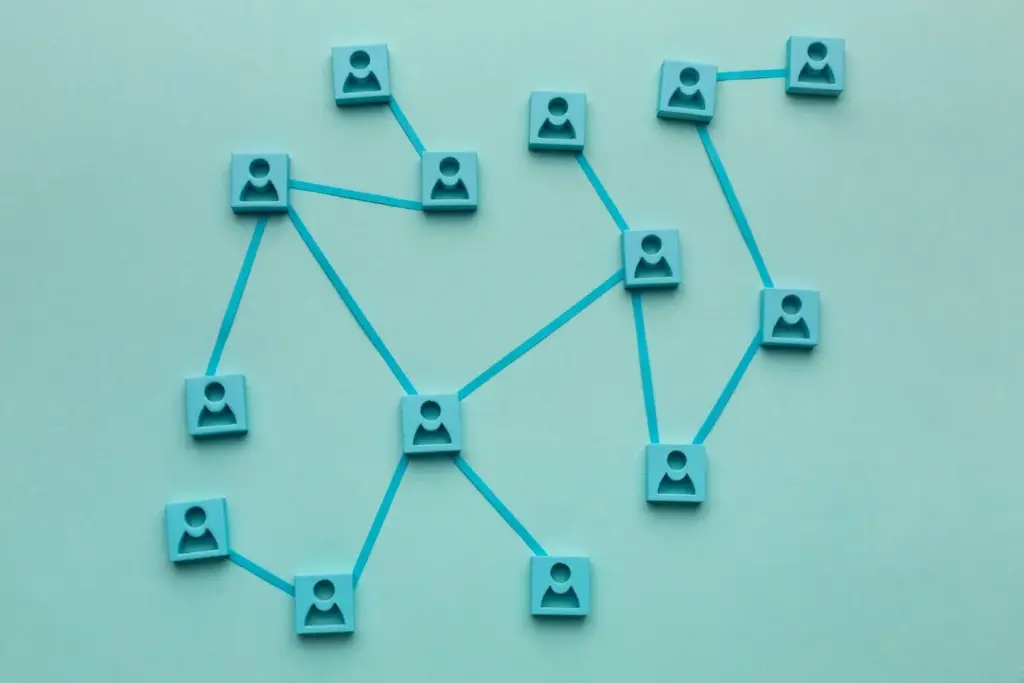
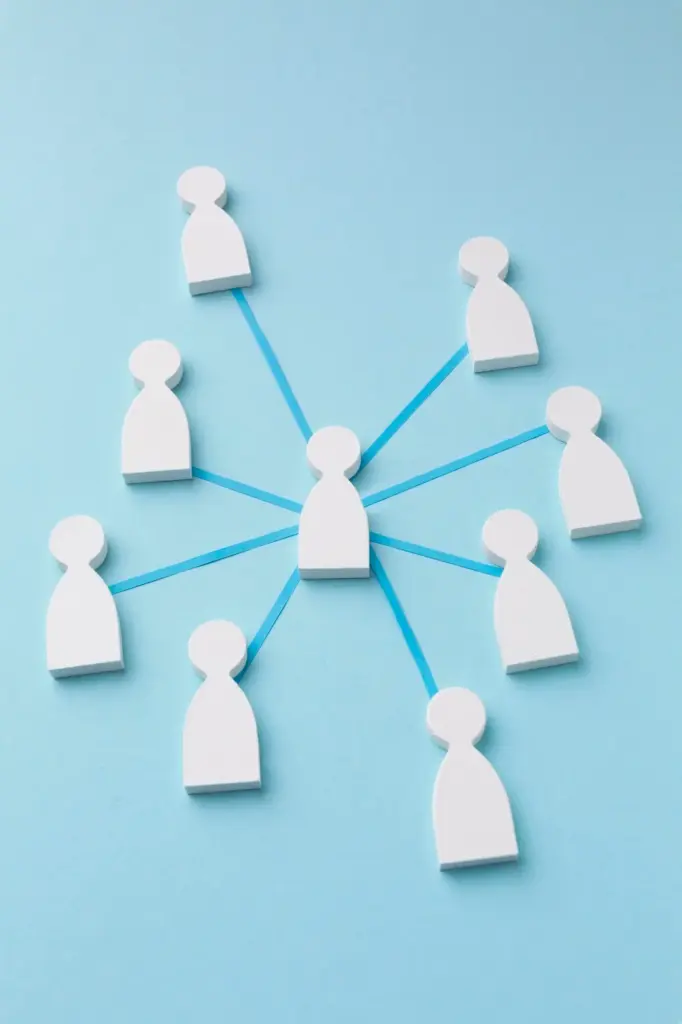

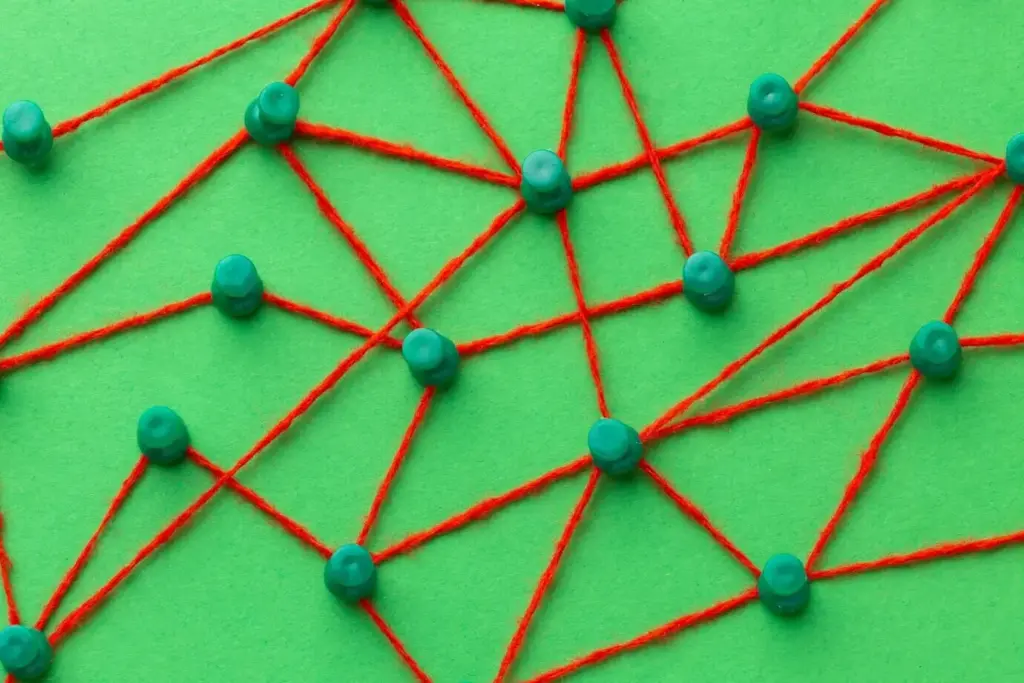
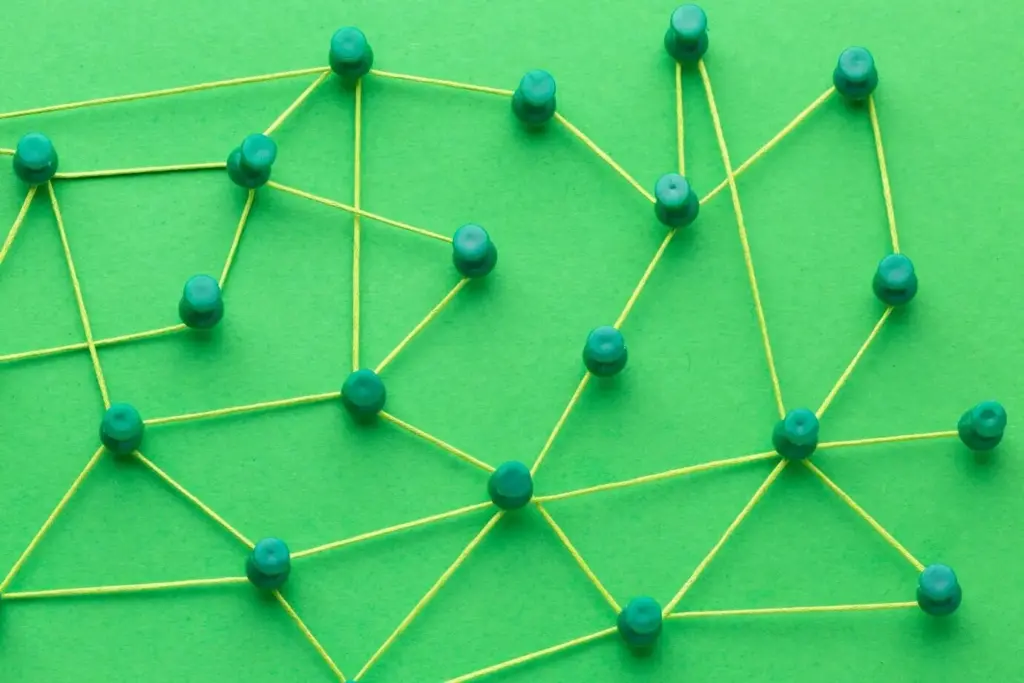
Treat concepts, questions, sources, and decisions as candidates, then test them by asking whether they will be referenced independently later. If an idea carries distinct meaning without its current context, promote it to a node; otherwise, leave it embedded and save complexity.
Edges communicate stance, causality, contrast, or chronology. Ambiguous labels breed confusion later. Prefer verbs like influences, contradicts, enables, refutes, precedes, or depends on. You will thank yourself when queries filter by relationship type and your visual legend stays readable under pressure.
Over‑splitting produces a brittle web; under‑splitting hides nuance. Start coarse, then split only when a concept attracts multiple distinct neighbors or explanations. Regular pruning sessions—ten minutes weekly—keep the map navigable, while a short change log records why boundaries moved.
Tools that auto‑collect references help surface candidate links without demanding perfection. Treat suggestions as hypotheses, not truths. Confirm with a skim, add a brief note explaining why the connection exists, and leave a question when uncertainty remains to revisit during weekly reviews.
Reading apps, PDFs, and notebooks already contain highlighted patterns. Export them, map recurring ideas to nodes, and capture page‑level context for provenance. This provenance matters when you later challenge assumptions, allowing you to trace claims back to the original source and assess credibility.
Set a timer for twenty minutes, pick one cluster, and verify edges ruthlessly. Ask whether the relationship still holds, whether the direction is correct, or if a better label exists. The sprint rhythm keeps momentum while protecting against overthinking and procrastination.
Open a note, view its immediate neighbors, and travel two steps out. Narrate what you see, aloud or in writing, focusing on contradictions and missing links. Save one follow‑up question and one next action, turning curiosity into deliberate movement rather than aimless clicking.

Start with quick capture wherever you are, funnel into an inbox, then process using a simple triage: keep, split, or connect. End the day with a five‑link routine and a two‑minute reflection. Consistency beats intensity, compounding benefits without exhausting willpower.
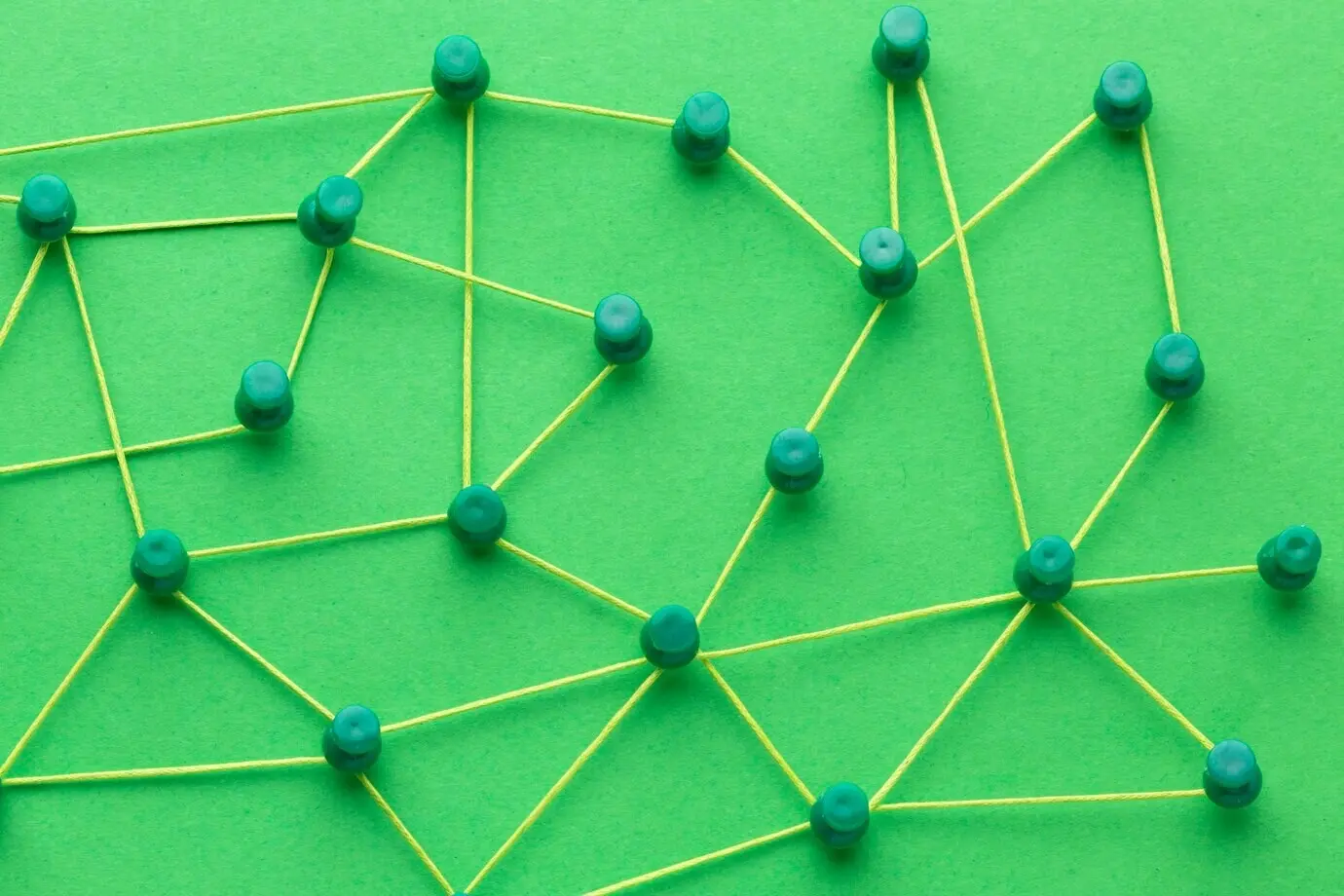
Graphs can accidentally expose personal connections or confidential sources. Mark sensitive nodes, restrict views, and separate private graphs from publishable subsets. When collaborating, obtain explicit consent for shared structures, and document boundaries clearly to honor trust while preserving the analytical value of relationships.
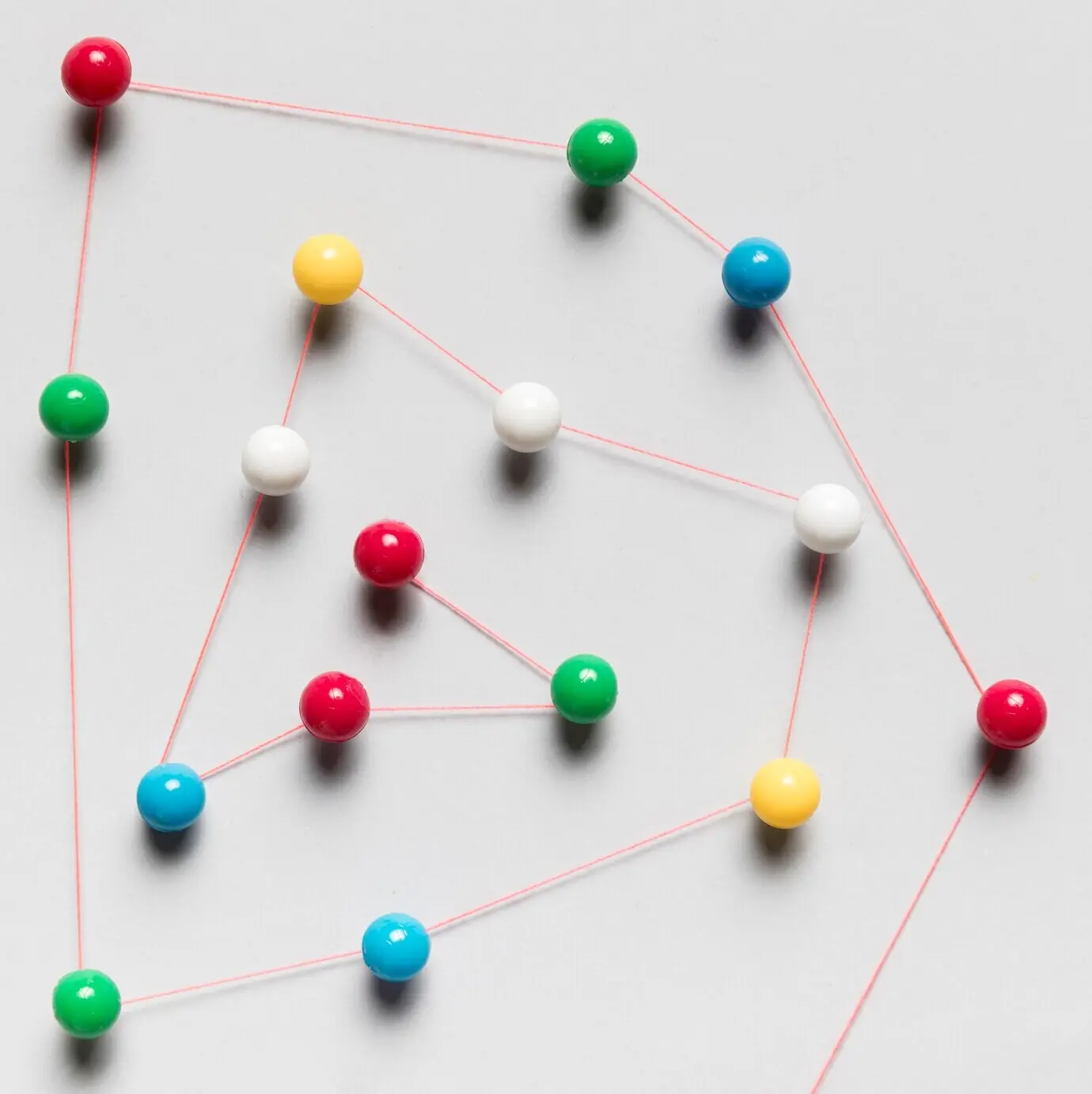
Publish a focused slice, such as a reading map for one problem, and pose a few guiding questions. Encourage comments citing nodes and edges, then fold thoughtful responses back into the graph. Subscribe for future walkthroughs, and share your experiments so we can learn together.
All Rights Reserved.